
Ownership / Is the Triumph Stag Really That Bad?
Is the Triumph Stag Really That Bad?
The truth about its reputation.
No, not any more. The Triumph Stag earned a poor reputation in the 1970s for overheating and breakdowns, but those troubles came from poor build quality and a lack of owner knowledge, not fundamental design flaws. With modern materials, fluids and understanding, a properly sorted Stag is reliable, usable and a joy.
Starting point
The reputation, honestly stated
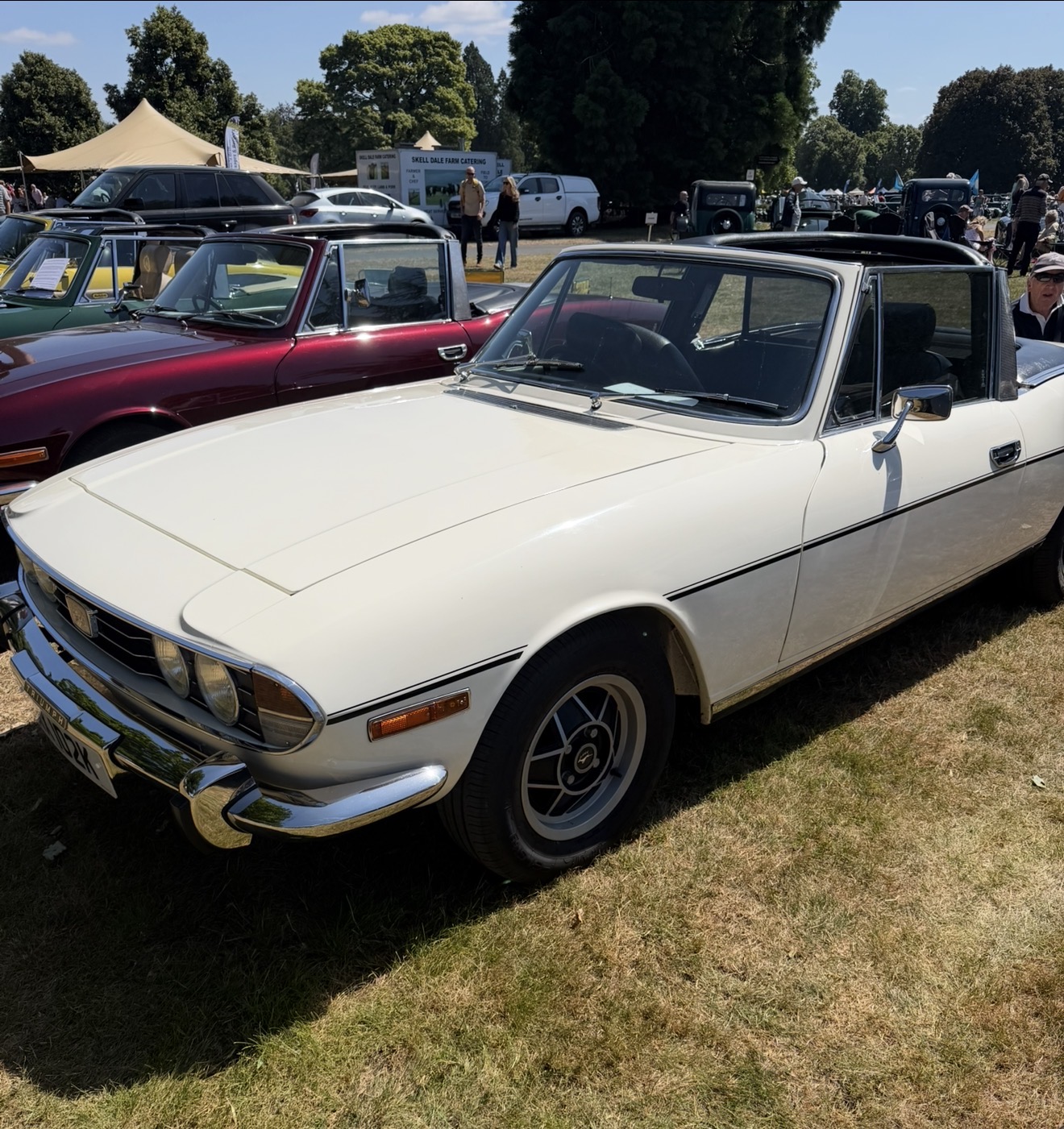
There is no point pretending otherwise: the Triumph Stag, launched in 1970, quickly became associated with overheating engines and unexpected breakdowns. Owners told stories of steam clouds on motorway hard shoulders. Dealers struggled to diagnose failures they had not been trained for. Warranty claims mounted. Word spread, and, in the way of these things, kept spreading long after the worst cars had gone off the road.
The Stag was also unlucky in its company. It arrived in the middle of British Leyland's most difficult period, and was tarnished by that association as much as by its own faults. It has since appeared on more than one "worst cars" list, invariably cited for the same handful of V8 complaints: overheating, warped alloy heads, timing-chain trouble and bearing failures. The failures were real, and they did strand people. That much is honest history.
The causes
But why it went wrong, the crucial part
Here is the point that gets lost in the folklore. Almost every notorious Stag failure came from problems of execution and knowledge, not from a fundamental design flaw. Take the failures in turn and the picture changes.
- Casting quality. Sand left in the waterways from the foundry restricted coolant flow from new. That is a manufacturing defect, not a design one, a modern casting, or a proper cleanout, removes the problem.
- Mixed-metal corrosion. The Triumph V8 combines alloy heads with an iron block, so it needs coolant with the correct corrosion inhibitors, changed to schedule. 1970s owners and dealers frequently used plain water or the wrong antifreeze; the waterways silted, the heads overheated, and the engine's reputation was made.
- Low header tank. The original header tank sat too low to purge air from the highest point of the system. A raised alloy tank, a five-minute concept, a well-understood fix, cures it.
- One-sided temperature sender. The gauge read only one head. A driver could be watching a perfectly normal needle while the other bank was already in trouble. A second sender, or an infrared check, closes the gap.
- Marginal main bearings. The bottom end was on the tight side of adequate for a hot-running, badly-cooled engine. Cool it properly and use decent oil and the bearings last.
- Timing-chain intervals. The service intervals for the twin timing chains were simply not well understood at the time. Change them on schedule and the failure mode disappears.
A respected view in the classic world is that the Stag suffered no fundamental design flaw, a claim that would once have sounded like special pleading, but which is proved every weekend by how reliable and usable a well-sorted car now is. For the detail of the engine itself, see the V8 Engine deep-dive and the practical fixes in the Cooling Upgrades guide.
Since then
The rehabilitation
What is remarkable about the Stag is how completely the enthusiast community has worked through the list. Half a century of shared knowledge, first in club newsletters, then on forums, now in specialist workshops, has converted each of those 1970s failures into a solved problem with a known fix.
- Correct long-life coolant with the right corrosion inhibitor, changed to schedule.
- Uprated radiator and a good electric fan, sized for a hot British summer in traffic.
- Raised alloy header tank and a proper pressure cap that actually seals.
- Timing chains changed on interval, not on failure.
- Uprated head studs and modern gaskets when the heads come off.
- Electronic ignition in place of tired points and condenser.
- Modern synthetic oil, changed frequently.
A Stag treated to that reliability package will now cover very high mileages without drama, and owners think nothing of touring long distances in them, across the UK, into Europe, and back again in the same week. The Stag has, in effect, been rehabilitated by knowledge.
What was always good
What was always good about it
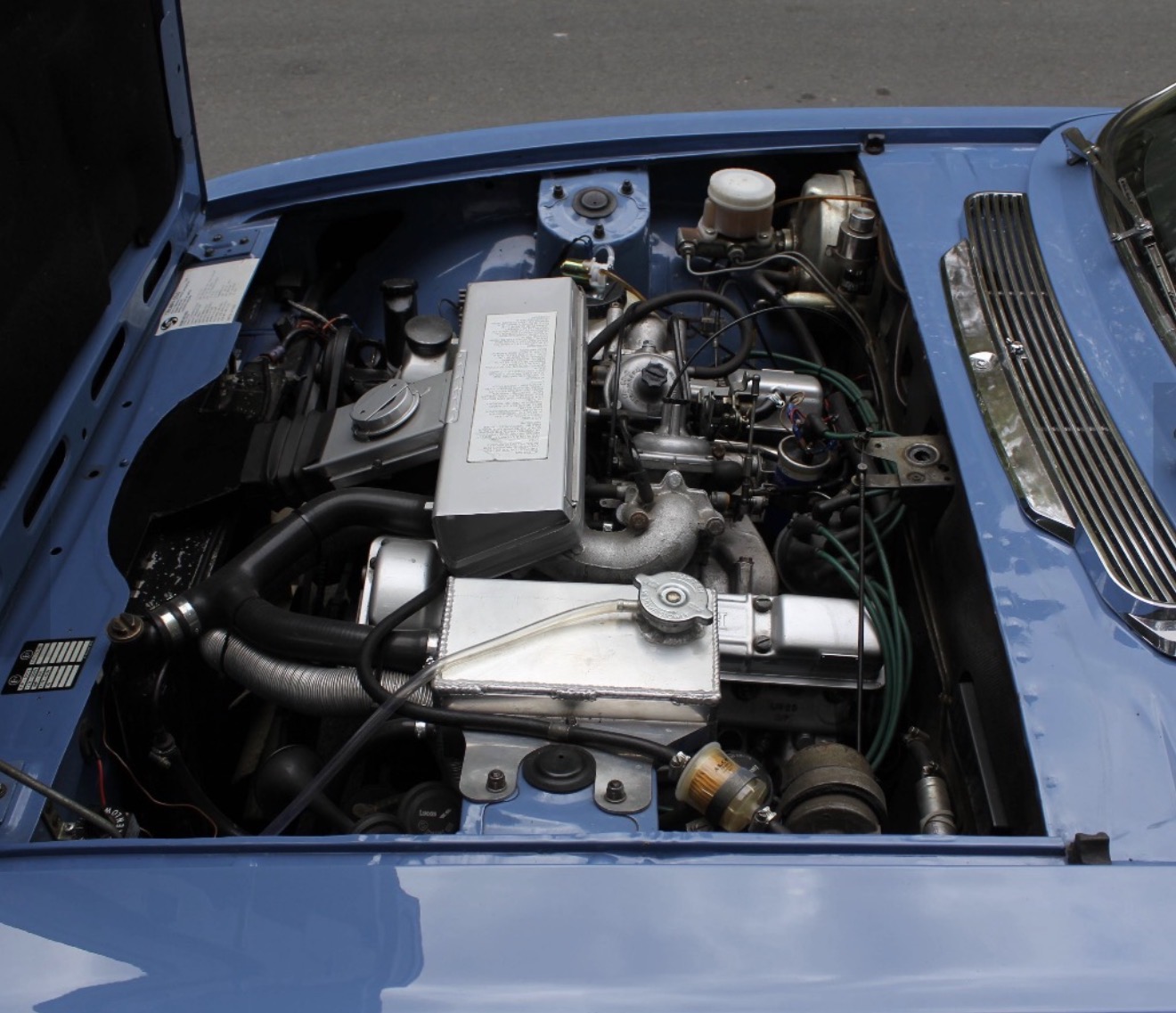
Lost in the reliability arguments is how much the Stag got right. Giovanni Michelotti's styling, the low nose, the elegant flanks, the distinctive T-bar and roll hoop, has aged as gracefully as any car of the era. Under the bonnet, a proper Triumph-designed 3.0-litre V8 with a sound that no straight-six or later Rover conversion quite replicates. Inside, a genuine four-seat convertible grand tourer, with, in its day, no direct rival: neither a Mercedes SL nor a Jaguar E-type offered the same combination of open-air motoring and usable back seats.
The standard equipment, too, was advanced for 1970: power-assisted steering, electric windows and a proper heater as fitted kit, not the option-list add-ons they were on many rivals. The Stag was representative of a difficult era for British Leyland rather than uniquely bad; put alongside its contemporaries, its virtues are easy to see.
The market
The market's verdict
The enthusiast world has effectively settled the question. The Stag has an exceptional survival rate, well over 40% of the UK cars ever registered are still accounted for (see the Production & Survival Data page for the numbers). Read the buying checklist for condition and maintenance questions.
None of that would be true if the "bad car" label were a fair one today. The verdict is straightforward: buy a Stag that has been properly sorted and maintained, and it is a reliable, characterful classic, a car whose reputation belongs to the 1970s, not to a well-kept example on the road in the 2020s. The honest caveat is that a neglected car can still overheat and let you down; condition and maintenance are everything, which is why the Buying Guide spends so much time on the cold-start test and the paper trail. Choose the right car, look after it, and the Stag is exactly what it was always meant to be.
Common questions
FAQ
- Is the Triumph Stag reliable?
- A properly sorted, well-maintained Triumph Stag is reliable. The reputation for unreliability was earned in the 1970s when poor build quality, indifferent servicing and a lack of owner knowledge combined against it. Today, with the correct coolant, uprated cooling components, sensible service intervals and modern oils, sorted Stags cover long tours and high mileages without drama.
- Why did the Triumph Stag get a bad reputation?
- Overheating and breakdowns during the early-to-mid 1970s, made worse by British Leyland's wider quality problems. Poor engine casting left sand in the waterways, dealers and owners often ran the wrong coolant, the header tank sat too low, the temperature sender read only one head and timing-chain service intervals weren't understood. Stranded owners talked, and the label stuck.
- Is the Triumph Stag engine really that bad?
- It isn't a bad design, it's a design that was let down by 1970s execution and knowledge. The Triumph 3.0-litre V8 suffered from casting sand, mixed-metal corrosion when the wrong coolant was used, marginal main bearings and unclear timing-chain service intervals. Those are solved problems today. Cared-for original V8s routinely run to very high mileages without issue.
- Are Triumph Stags reliable now?
- Yes, when properly sorted. The community has effectively rehabilitated the car: correct long-life coolant with the right corrosion inhibitors, uprated radiator and electric fan, timing chains changed on schedule, uprated head studs, electronic ignition and modern oil. A Stag maintained to those standards is a usable, tourable classic, the caveat being that a neglected car can still overheat.
- Was the Triumph Stag one of the worst cars ever?
- It has appeared on 'worst cars' lists because of its 1970s reputation, but that judgement is a period one. Michelotti's styling, the Triumph V8's character and the four-seat convertible layout were widely admired. The Stag was representative of a difficult era for British Leyland rather than uniquely bad, and a well-kept example today makes the 'worst cars' label look unfair.
Related reading